What is an EOR and How Does it Help an Organisation?
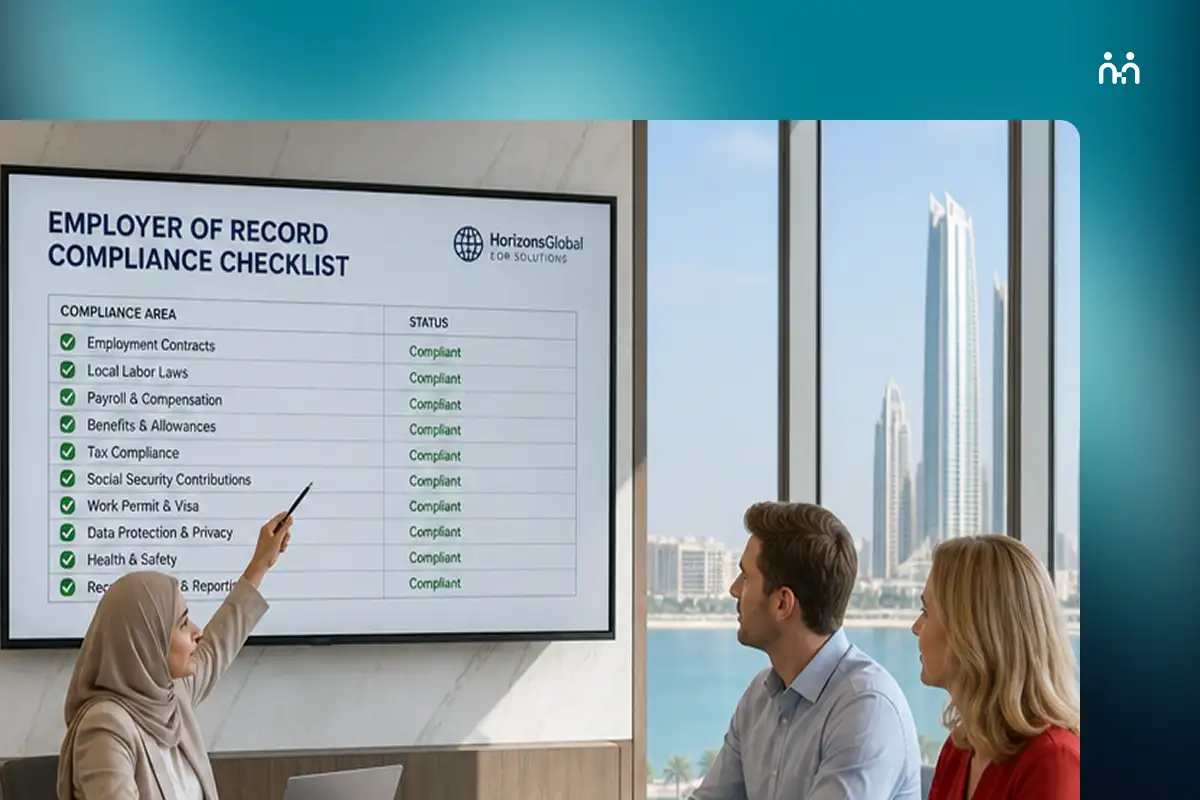
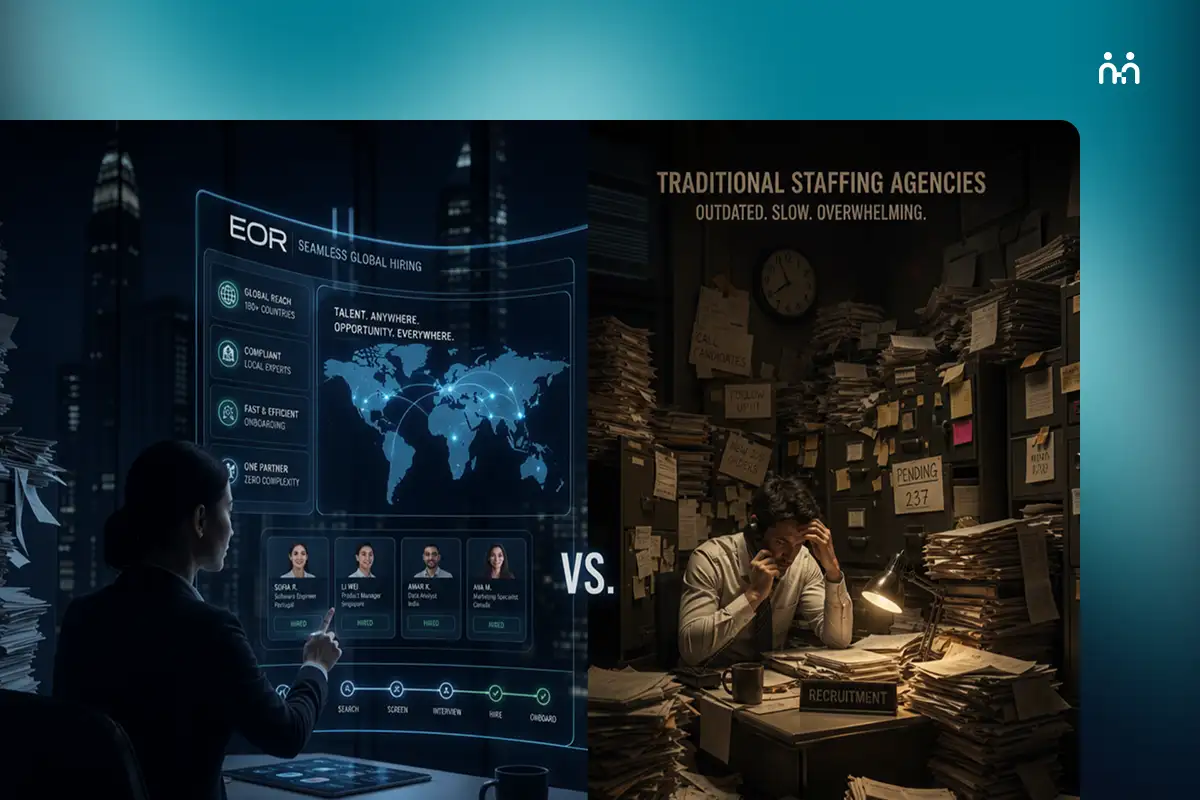
In order to hire employees from the UAE, companies must set up a legal entity, which can be time-consuming and expensive. An Employer of Record acts as a third-party organisation which hires employees on behalf of a company. It acts as the legal employer for your employees and ensures compliance with local laws. People working in the EOR firm usually have connections with government offices and authorities to speed up various legal processes. EOR provides various benefits, allowing businesses to focus on core activities without worrying about legal presence in the UAE. The following are some important reasons to choose EOR services:- Handle visas and work permits: EOR services in UAE take care of employees’ work permits, visas, and Emirates ID, so they can start working without delays.
- Complete knowledge of local labour laws: The rules in the UAE can be challenging for you to follow, along with a lot of other business operations. But, your EOR partner has all the needed knowledge on local employment laws that save you from any legal trouble. They ensure everything from onboarding and payroll processing to work permits and termination are compliant with local law.
- Run a business in UAE without a physical setup: Expand your business without actually renting a space in the UAE. EOR can hire and manage top talent in the UAE on your behalf.
- Payroll and benefits done right: Your EOR company in Dubai handles the entire payroll process to ensure accurate and timely salary transfer to employees as per WPS regulations.
- Manage employees: EOR service providers handle every aspect of employee management, starting from onboarding to termination. They also provide regular training to employees to help them with their tasks.
Legal Considerations for Using an EOR in Dubai
The following are some important legal considerations for Dubai EOR services:-
UAE Labour Laws
- Employees should be treated equally irrespective of gender, political affiliation, national origin, religion, or disability. In terms of violation of these rules, you may be fined up to one million dirhams ($272,249) and imprisoned for 5 years.
- Employers must protect their employees from work injuries or dangers that arise due to their duties.
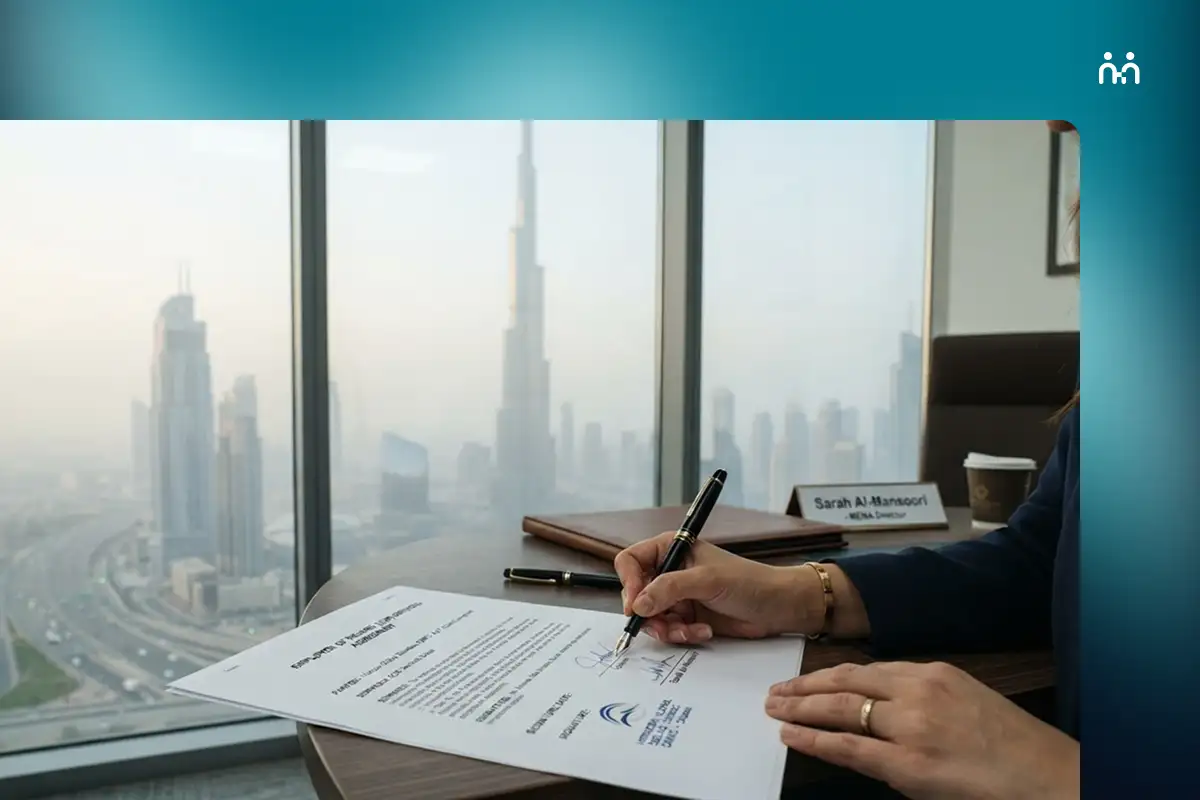
- The terms and conditions of the employment must be outlined in detail and signed by both parties.
- The working hours limit is 8 hours daily and 48 hours per week. In terms of overtime, a 25%-50% premium must be given beyond the normal salaries.
- All private sector employees must be given mandatory health insurance during the working period.
-
Work Visa and Permits
-
Annual Leaves
- A female employee may take a 60-day leave for pregnancy, during which 45 days are full wages while 15 days are half wages. This leave must be applied for 30 days prior and can be extended for 45 days without pay.
- As of 2025, other than a 5-day parental leave, there are no additional leaves for fathers.
- Once the probation period ends, employees in Dubai can have 90 days of paid sick leave.
- An employee may have 3 days of bereavement leave for a family member’s death. However, a 5-day paid leave is given for the death of a spouse.
-
Wages Protection System
-
Employment Contract
- Name and information of the employer and employee.
- A clear job description with roles, duties, deliverables and expectations.
- Additional benefits offered by the company and breakdown of salary allowances.
- Company policies, confidential clauses, and other legal permits related to employment.
- Contract termination details, probation period, and gratuity information.
-
Employee Benefits
-
Administrative Responsibilities
-
Probation and Notice Period